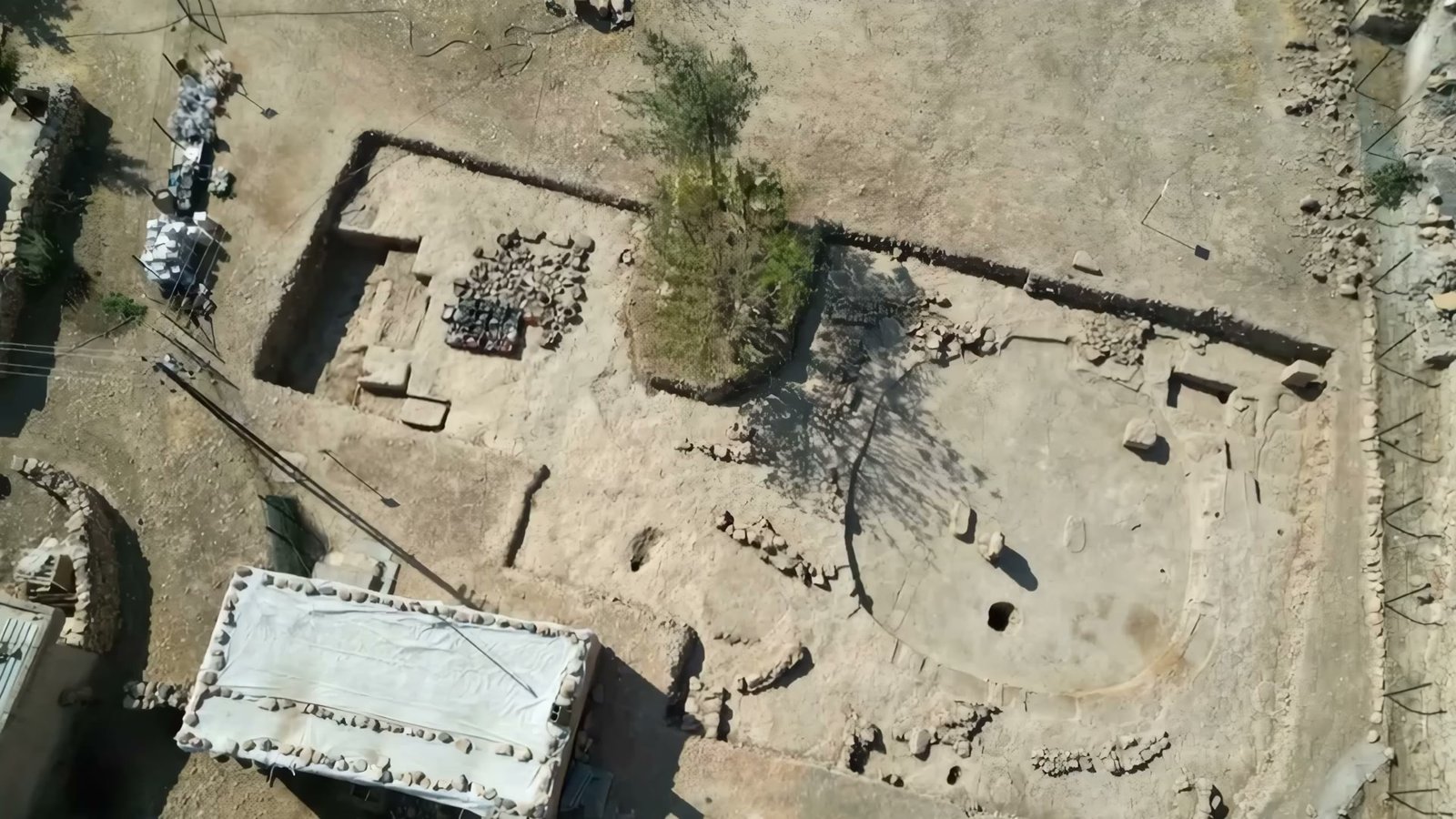
50+ buildings uncovered
More than fifty Neolithic structures come to light — homes and communal halls alike marked by the region's signature T-shaped pillars.
Read more →Şanlıurfa · Türkiye
Where humans carved their first story in stone — some eleven thousand years ago.
A Neolithic village in the Stone Hills
Eleven thousand years ago, in the hills near Şanlıurfa, a community carved the earliest known scene in human history — and lived their daily life right beside it. Not a remote temple on a hilltop like Göbekli Tepe, but ritual woven into homes, hearths and workshops. The first place we can watch people tell a story, and keep their dead close.
Here, ritual and daily life share the same floor — and every carving, burial, pillar and hearth has a story still being read.
The first story in stone
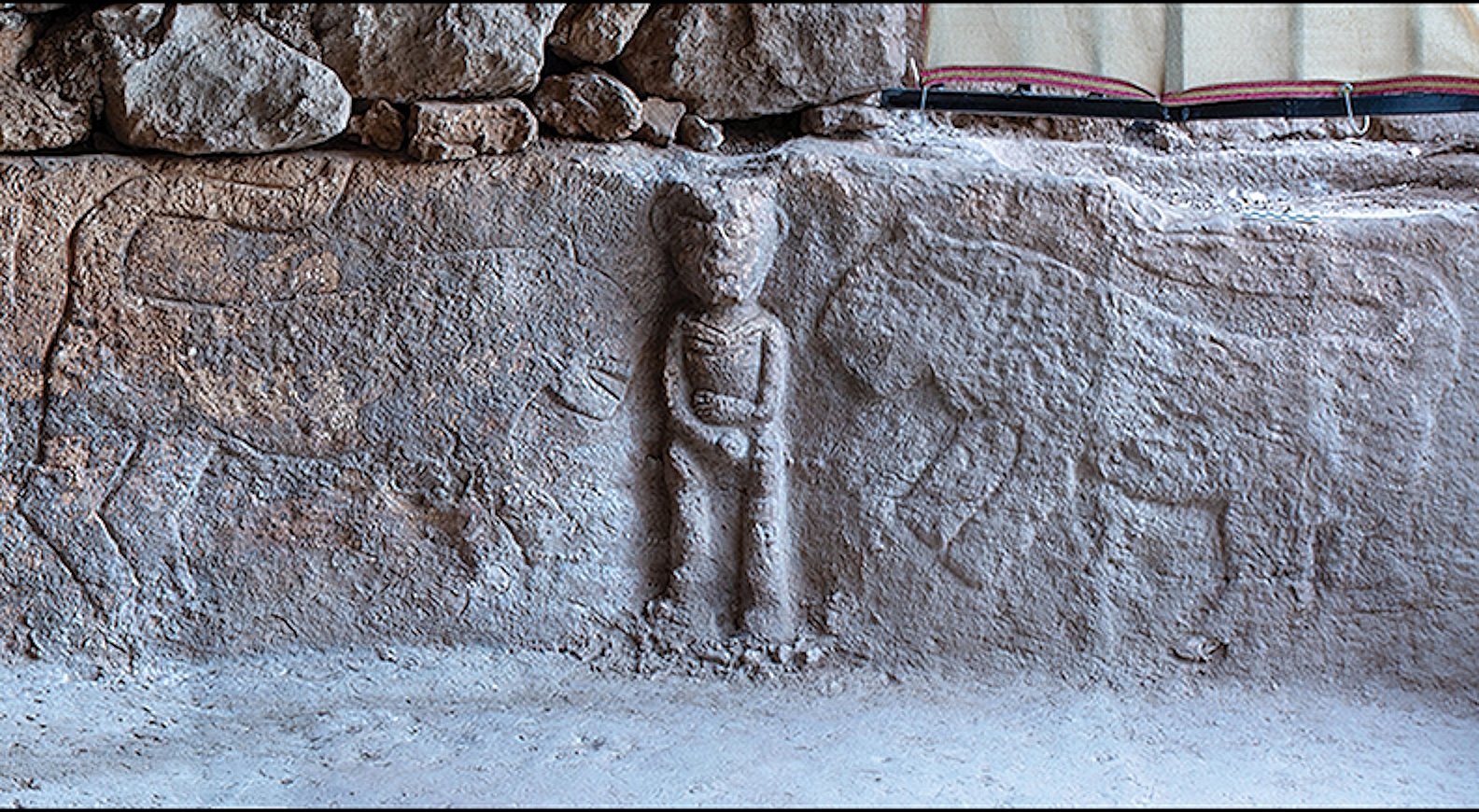
Carved along a bench inside a communal building, five figures form one connected scene: a man flanked by two leopards, and a second man beside a bull. Not decoration — a story, arranged for people seated in the room to face together.
The same figures echo across the Stone Hills — leopards, bulls and human forms repeating at Göbekli Tepe and Karahan Tepe. Some read the leopard-man as an initiation or a shaman at the threshold between human and animal. We keep the meaning open — but the intent to tell a story is unmistakable.
"Sayburç lets us see everyday life and belief in one place."
— Assoc. Prof. Dr. Eylem Özdoğan, excavation director
Go deeper
The five figures, and why it's a narrative — not just decoration.
The phallus-vs-snake debate and the leading readings — kept honest.
They kept their dead inside the homes — one skull set into a niche.
The shared language of symbols — and maybe the first beer.
Beer before bread, the woman in the floor, the triangle necklace and more.
The honest status and the guided Taş Tepeler route.
From the dig
More than fifty Neolithic structures come to light — homes and communal halls alike marked by the region's signature T-shaped pillars.
Read more →A sculpture of a figure with a sealed mouth, and skulls placed within the settlement, offer rare evidence of how this community marked death.
Read more →The wider project marks half a decade of rewriting human history across the hills of Şanlıurfa.
Read more →At the excavation
Dr. Eylem Özdoğan's team at work — a fresh burial being cleaned, a giant belted pillar close to Göbekli's in size, and the great stone basins that may once have held the first beer.
Field film by Dakota Wint, on site with the Sayburç excavation team.
Visit
It sits within an easy landscape of Göbekli Tepe, Karahan Tepe and the Şanlıurfa Museum. A guided route lets the whole story read as one — grounded in the archaeology, paced to understand.
Sayburç is an active excavation. Access varies by season and dig schedule — we'll help you plan around it.
The wider landscape
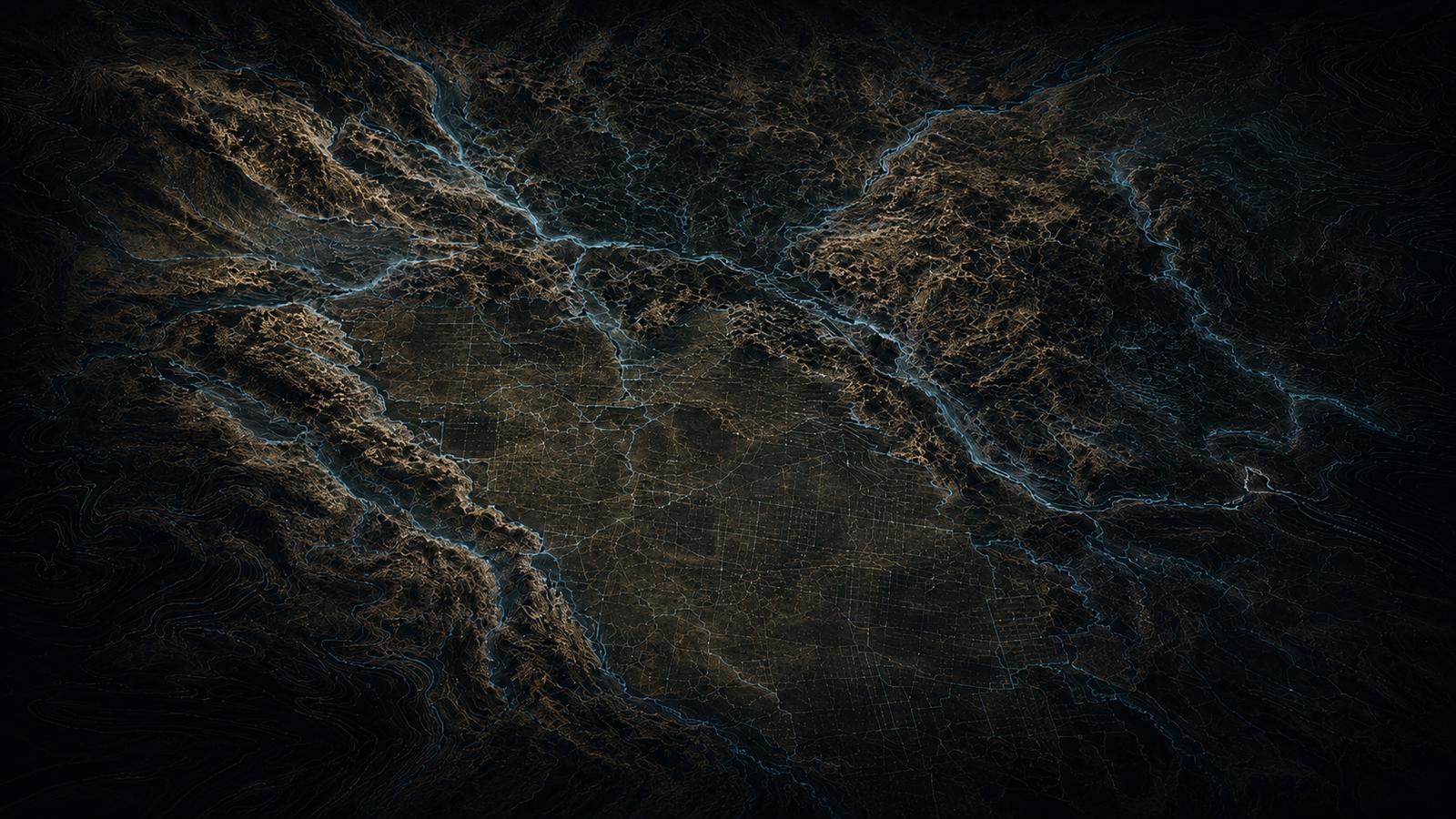
Taş Tepeler — "the Stone Hills" — is a cluster of twelve Neolithic sites across Şanlıurfa that share the same symbols and story. Tap a hill to travel to it.
Sayburç is where you are. Sites we publish in English are live; others open the Taş Tepeler atlas until their own home is built.
Free download
The relief, the village, the discoveries and how to visit — a free illustrated PDF. Join our list and we'll send it over.
Part of the Taş Tepeler list by The Community Garden. Unsubscribe anytime. Details →